Gwanghwamun Gate (광화문) - Korea Travel Guide
As the majestic main entrance to Gyeongbokgung Palace, Gwanghwamun Gate stands as a powerful symbol of Seoul's rich royal history and resilient spirit.

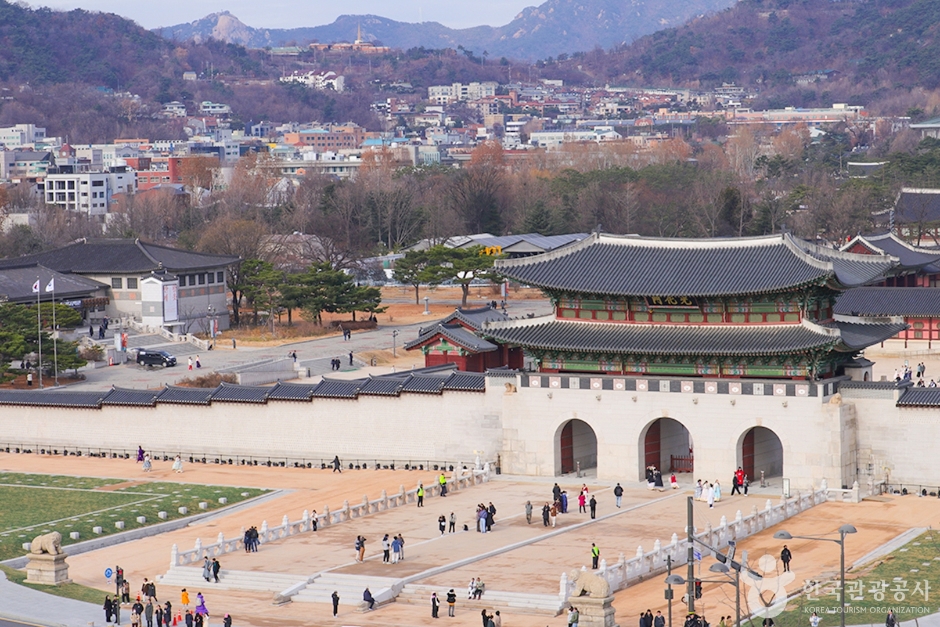
When you step into the heart of Seoul, one landmark commands your attention above all others. Gwanghwamun Gate, the majestic southern entrance to Gyeongbokgung Palace, stands as a grand symbol of South Korea's rich history and resilient spirit. As the main gate of the royal palace, it is larger, grander, and more intricately designed than any of the other palace gates, offering visitors a breathtaking portal into the Joseon dynasty. Whether you are a history buff, an architecture enthusiast, or a traveler looking for the perfect photo opportunity, this iconic structure is an absolute must-visit.
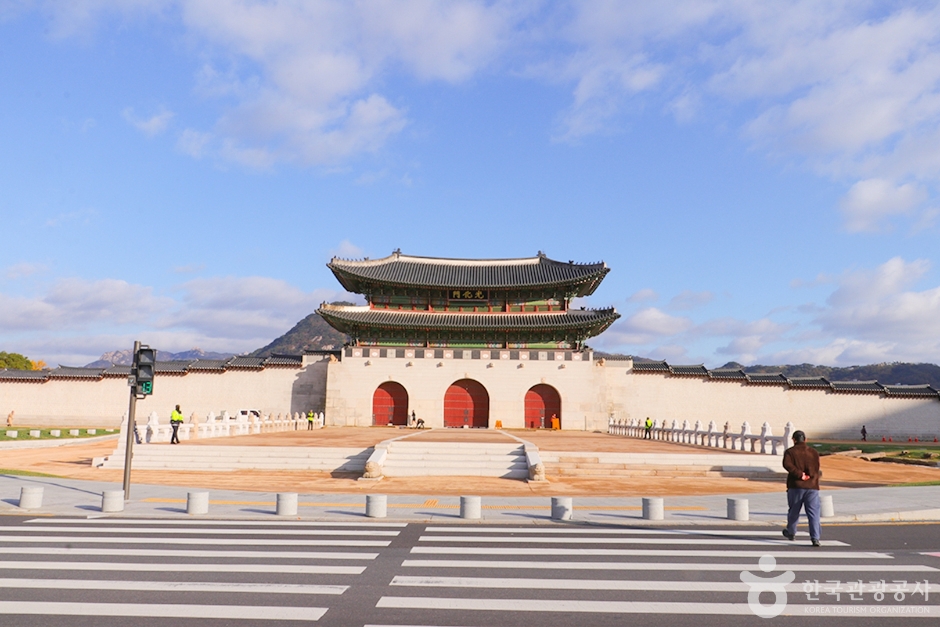
The grand facade of Gwanghwamun Gate, standing proud against the Seoul skyline.
The Royal History of Gwanghwamun Gate
First constructed in 1395 under the reign of King Taejo, the founder of the Joseon dynasty, Gwanghwamun Gate has stood watch over Seoul for over six centuries. The gate is uniquely designed with a high granite foundation pierced by three arched entrances. In royal times, strict hierarchy dictated who could pass through these arches: the central gate was reserved exclusively for the king, while the side arches were used by the crown prince and high-ranking court officials.
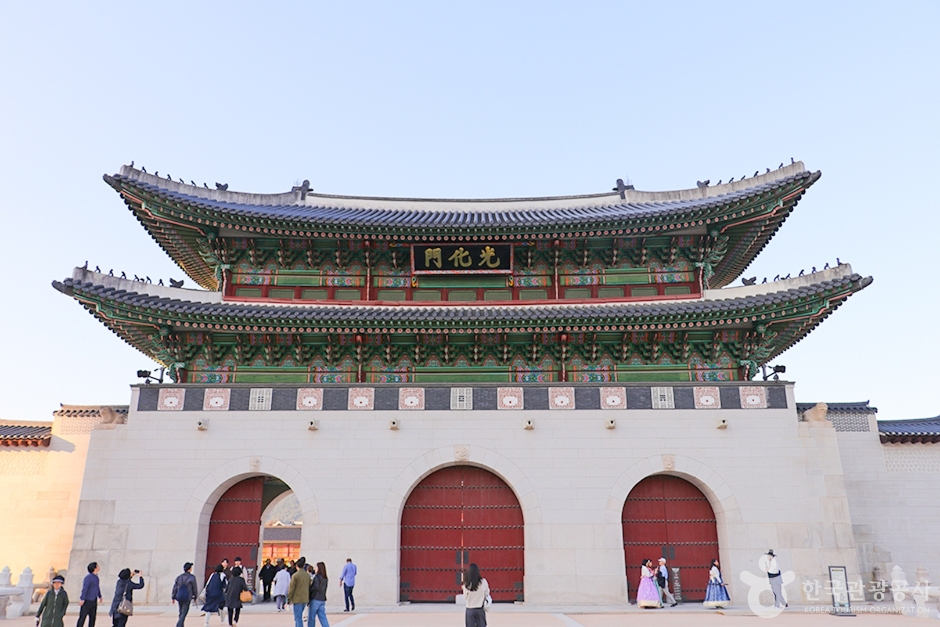
The three arched entrances of the gate, once designated for the king and his court.
Despite its current grandeur, Gwanghwamun Gate has survived a turbulent history. It was completely destroyed during the Imjin War (1592–1598) and lay in ruins for over 250 years until Gyeongbokgung Palace was rebuilt in 1864. During the Japanese colonial occupation, the gate was dismantled and relocated to make way for the Government-General Building. It suffered further devastating damage during the Korean War (1950–1953).
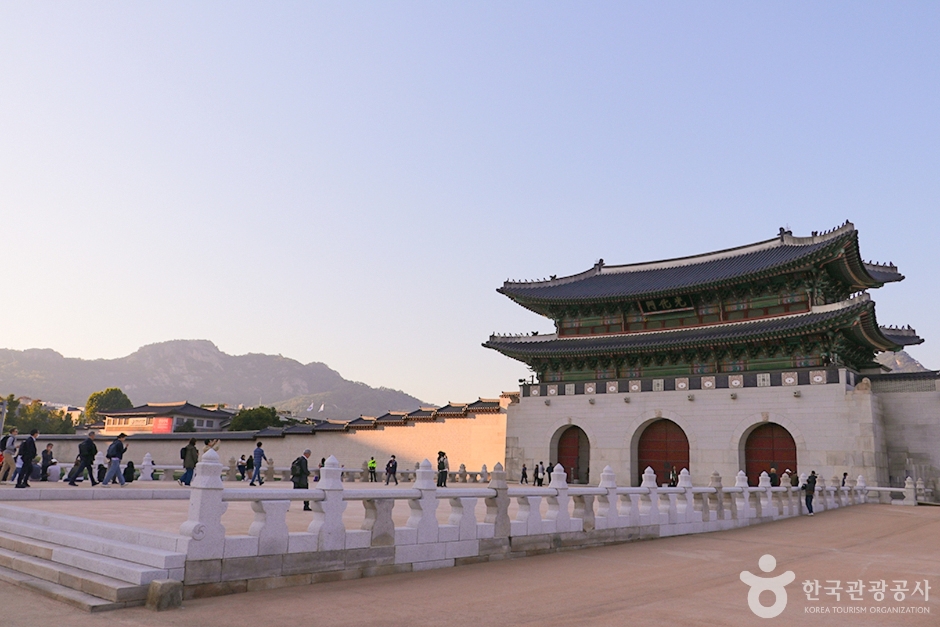
The meticulously restored stone walls that frame the palace entrance.
In 1968, the gate was rebuilt using concrete, but it was mistakenly misaligned from its original location. Finally, in 2006, a massive, meticulous restoration project was launched. Historians and craftsmen completely disassembled the concrete structure, replacing it with traditional granite and wood, and returned the gate to its exact historical location. On August 15, 2010, the fully restored Gwanghwamun Gate was proudly reopened to the public, looking exactly as it did during its golden age.
The Architectural Splendor of Gwanghwamun Gate
Gwanghwamun Gate is celebrated for its harmonious blend of strength and elegance. The lower half of the gate consists of massive, finely cut granite blocks that provide a solid, fortress-like foundation. Resting atop this stone base is a double-roofed wooden pavilion (gate tower) painted in traditional Dancheong—the vibrant, multicolored patterns unique to Korean royal architecture.
The beautifully painted wooden pavilion showcasing traditional Dancheong artistry.
The hand-carved nameplate hanging proudly at the center of the gate tower.
At the top center of the wooden pavilion hangs the gate's nameplate, written in elegant Chinese characters (Hanja). Visitors can also spot the statues of Haetnim (Haechi)—mythical, lion-like creatures believed to protect the palace from fire and disaster—standing guard at the front of the gate, adding an extra layer of cultural mystique to the site.
Visitor Information
Planning a visit to this historic monument? Here is all the practical information you need to make your trip seamless.
| Category | Details |
|---|---|
| Operating Hours |
January-February & November-December: 09:00 - 17:00 March-May & September-October: 09:00 - 18:00 June-August: 09:00 - 18:30 *Note: Last admission to the palace is 1 hour before closing. |
| Closed Days | Tuesdays |
| Admission Fee | Free to view Gwanghwamun Gate (Gyeongbokgung Palace behind it requires a ticket) |
| Inquiries | +82-2-3700-3900 |
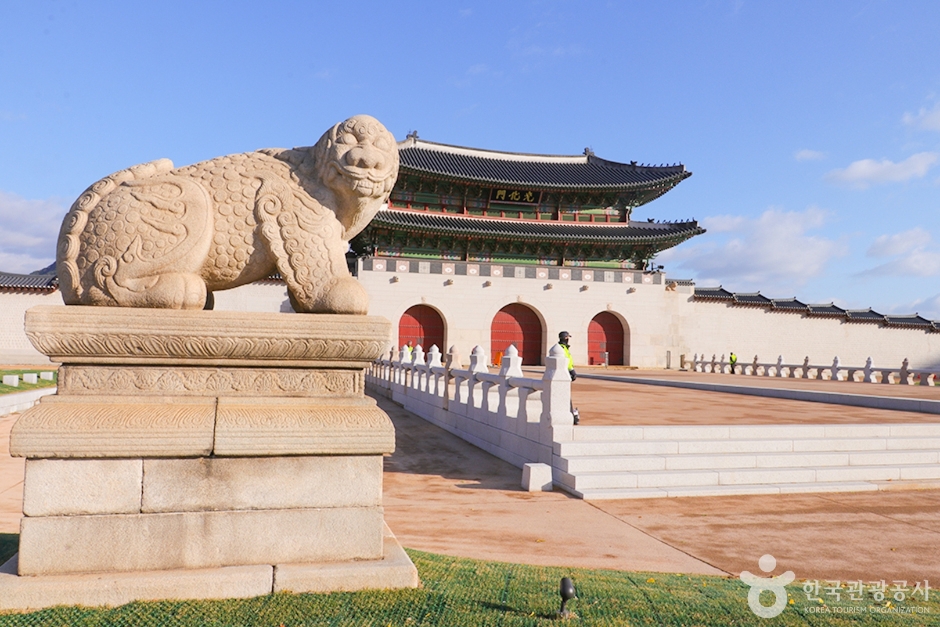
The view of Gwanghwamun Gate from inside the Gyeongbokgung Palace courtyard.
For more detailed event schedules and historical resources, you can visit the official website:
How to Get There
Gwanghwamun Gate is located in the center of Seoul at 161 Sajik-ro, Jongno-gu, Seoul. Thanks to Seoul's world-class public transportation system, getting here is incredibly easy.
- By Subway:
- Gyeongbokgung Station (Line 3): Take Exit 5, which leads you directly to the palace courtyard just behind the gate.
- Gwanghwamun Station (Line 5): Take Exit 2 and walk straight through Gwanghwamun Square. This route offers a spectacular, straight-on view of the gate as you approach.
- By Bus: Numerous city buses stop directly in front of Gwanghwamun Square and Gyeongbokgung Palace. Look for routes heading to Sejong-daero or Jongno-gu.
Best Time to Visit
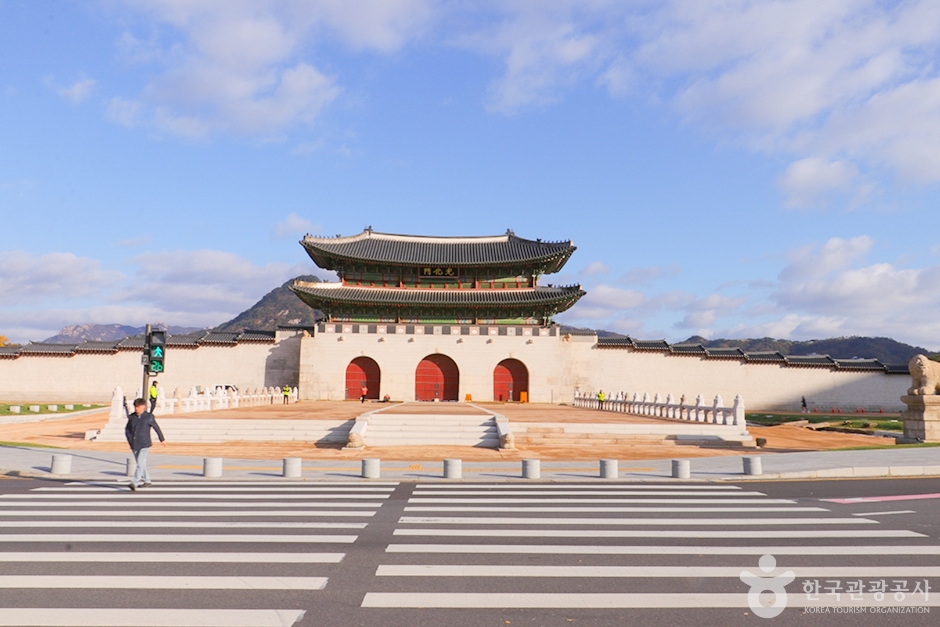
While Gwanghwamun Gate is beautiful year-round, the absolute best times to visit are during the spring (April to June) and autumn (September to November). During these seasons, the weather is mild and pleasant, and the surrounding trees are filled with either delicate cherry blossoms or vibrant fall foliage.

Autumn colors framing the historic gate, making it a photographer's dream.
If you want to experience something truly special, time your visit to catch the Royal Guard Changing Ceremony, which takes place daily (except Tuesdays) in front of the gate at 10:00 and 14:00. It is a colorful, dramatic reenactment of Joseon-era military protocol. Additionally, consider returning after sunset; the gate is beautifully illuminated at night, offering a dramatic contrast against the modern skyscrapers of downtown Seoul.
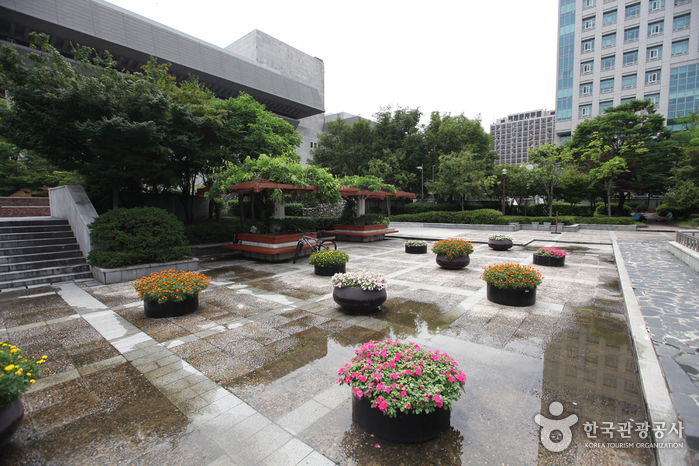
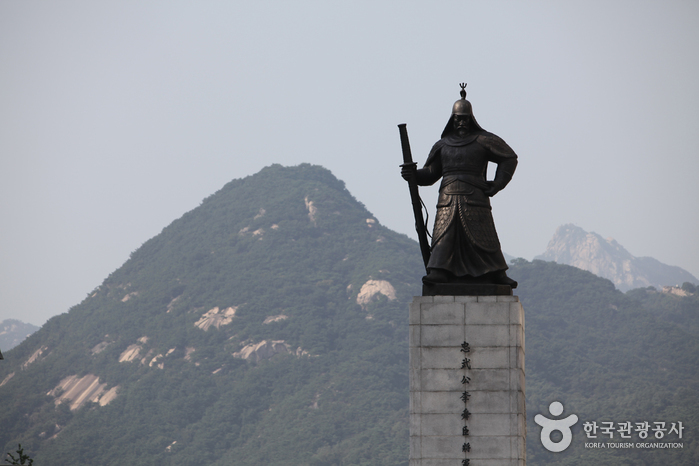
The surrounding area is also packed with culture. Just a short walk away, you can explore the peaceful Sejong-ro Park or pay your respects at the Statue of Admiral Yi Sun-Shin in the center of the square.
Frequently Asked Questions
Is there an admission fee to see Gwanghwamun Gate?
No, viewing Gwanghwamun Gate from Gwanghwamun Square or walking through its arches is completely free. However, if you wish to enter Gyeongbokgung Palace located directly behind the gate, you will need to purchase a palace admission ticket.
Can I take photos with the royal guards?
Yes! The guards stationed at Gwanghwamun Gate are dressed in authentic Joseon-era armor and holding traditional weapons. Visitors are welcome to stand next to them for photos, but please be respectful and do not touch their uniforms or weapons.
What happens if I wear a Hanbok to Gwanghwamun Gate?
While viewing the gate itself is always free, wearing a traditional Korean Hanbok grants you free admission to Gyeongbokgung Palace and all other major palaces in Seoul. There are many Hanbok rental shops located within walking distance of the gate.
Gwanghwamun Gate is more than just a beautiful entrance; it is the beating heart of Seoul's living history. Standing before its massive granite walls, you can feel the centuries of history that have shaped modern Korea. Don't miss the chance to walk through the very same arches once reserved for kings—add Gwanghwamun Gate to your Seoul itinerary today!
Nearby Attractions
Nearby Restaurants

Nearby Cultural Spots
Nearby Shopping

Nearby Accommodation
Camping Friend — Camping & Travel in Korea
Discover campsites, local attractions, and travel guides across Korea.
Built by a campsite owner to make camping and travel easier for everyone.
![[강원특별자치도 캠핑장] 별마로빌리지캠핑장 - 자연 속에서 즐기는 완벽한 힐링 휴식](https://gocamping.or.kr/upload/camp/1327/thumb/thumb_720_1833u9D63SqnTfClEAKrR2n6.jpg)

![[강원특별자치도 캠핑장] 보보스캇 캠핑장 - 자연 속에서 즐기는 완벽한 힐링 휴식](https://gocamping.or.kr/upload/camp/1369/thumb/thumb_720_0863ZMdwcwRV5puY33Di41tY.jpg)