Bukchon Hanok Village (북촌한옥마을) - Korea Travel Guide
Nestled between grand palaces, Bukchon Hanok Village offers a picturesque journey into Joseon-era history with its beautifully preserved traditional Korean houses.

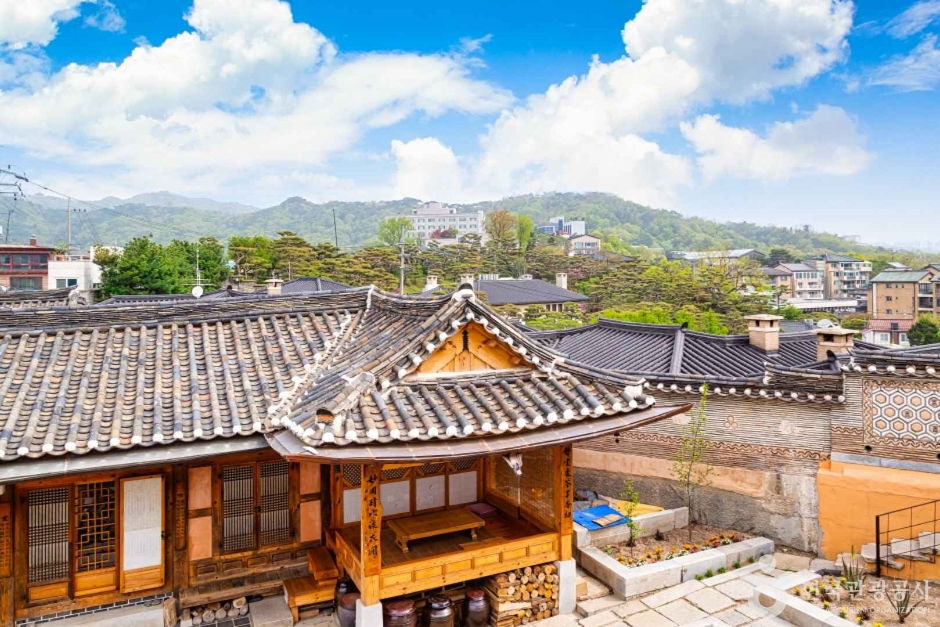
Stepping into Bukchon Hanok Village feels like traveling back in time to the Joseon Dynasty while standing right in the heart of modern Seoul. Tucked neatly between Gyeongbokgung Palace, Changdeokgung Palace, and Jongmyo Shrine, this captivating neighborhood boasts hundreds of traditional wooden homes called hanok. As one of Seoul's most iconic historical destinations, Bukchon offers travelers a rare, immersive glimpse into Korea's rich architectural heritage and refined cultural traditions.
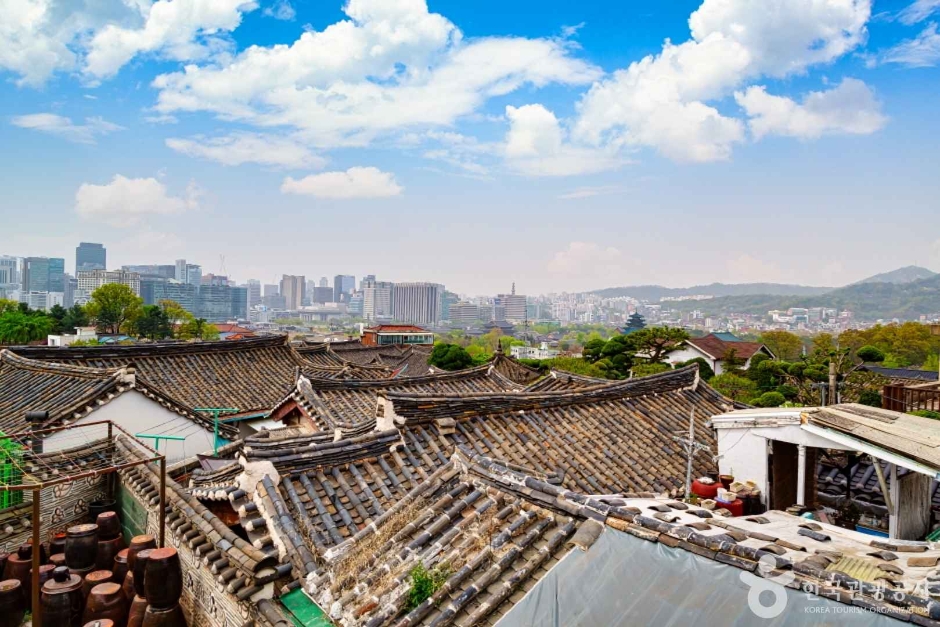
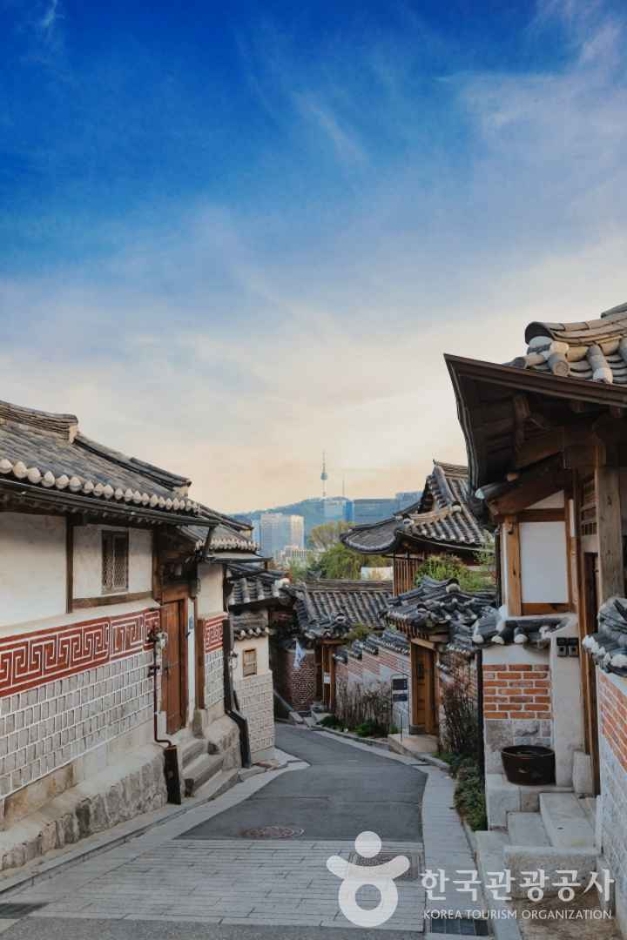
A stunning contrast between historic hanok rooftops and the cityscape of modern Seoul.
Exploring the Timeless Charm of Bukchon Hanok Village
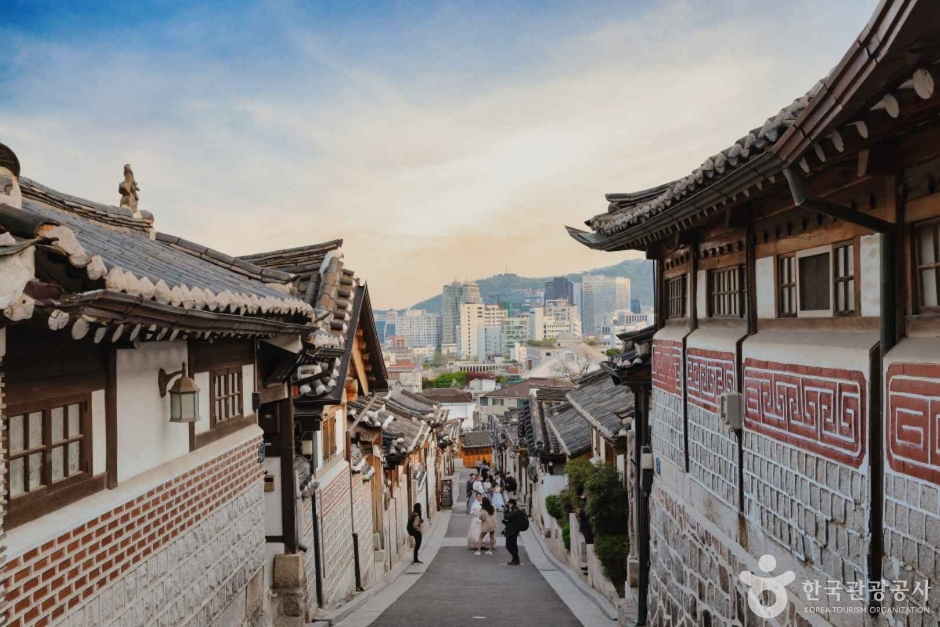
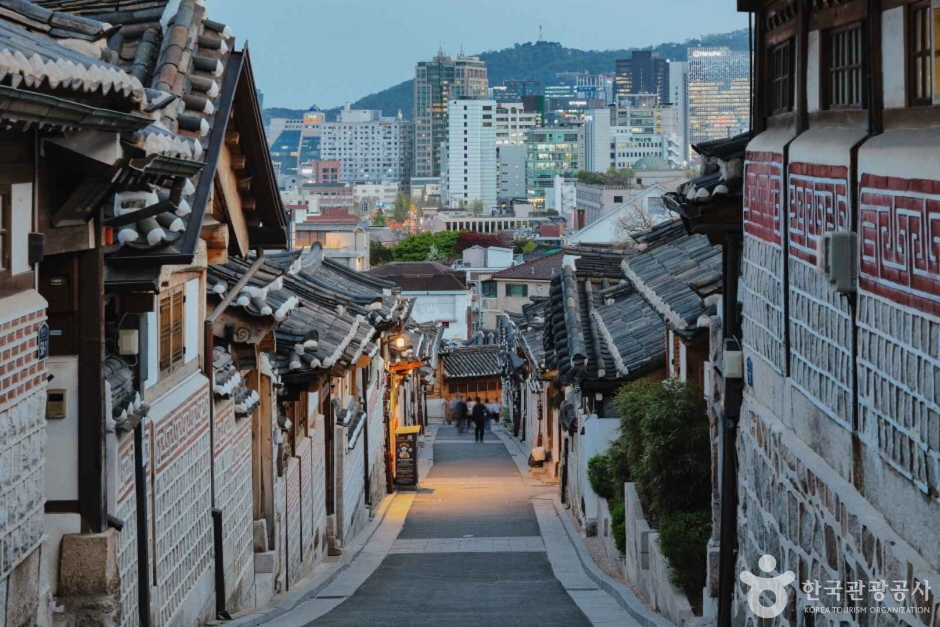
The name Bukchon literally translates to "Northern Village," earned because the neighborhood lies north of two prominent Seoul landmarks: Cheonggyecheon Stream and Jongno. Historically, this scenic area was home to high-ranking government officials, nobility, and royal family members during the Joseon era. Today, the narrow, winding alleys remain lined with beautifully preserved hanoks, featuring classic tiled roofs (giwa), sturdy stone walls, and warm wooden accents.
As you wander through the gentle slopes, you will notice how seamlessly these traditional structures blend into the surrounding cityscape. High-rise buildings shimmer in the distance beyond the curved eaves of centuries-old roofs, creating a breathtaking contrast that photographers and culture lovers adore.
Charming paved alleys lined with traditional Korean houses.
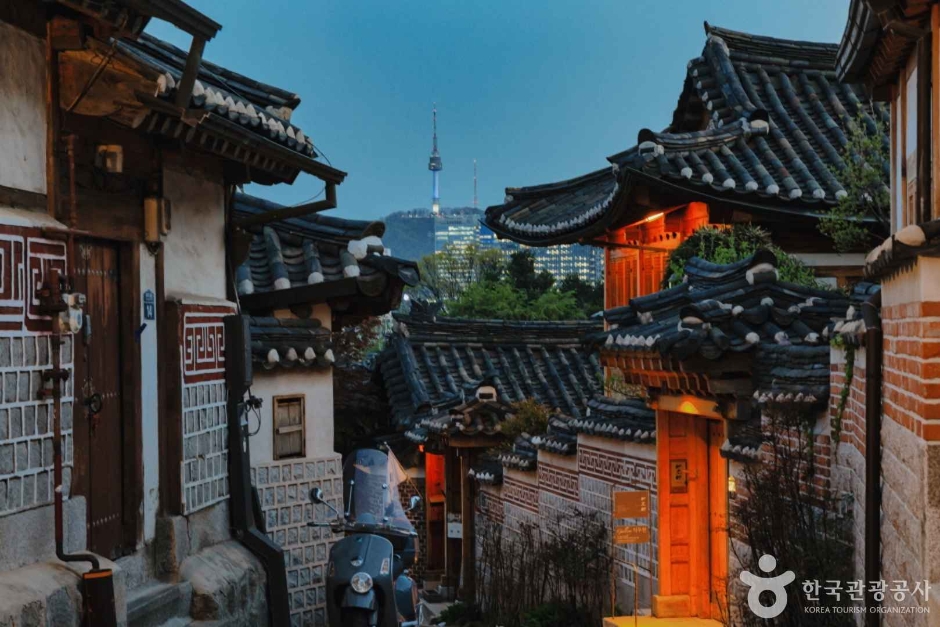
Intricate wooden gates and tiled roofs defining Joseon-era architecture.
Cultural Experiences and Things to Do at Bukchon Hanok Village
Bukchon is far more than an open-air museum; it is a living neighborhood where heritage meets everyday life. Many hanoks have been artfully repurposed into cozy tea houses, craft workshops, boutique galleries, and traditional guesthouses. Visitors can sip aromatic Korean herbal tea while gazing into peaceful inner courtyards, try their hand at traditional crafts like tie-dyeing or calligraphy, or sample authentic local delicacies at nearby eateries.
A great starting point for your exploration is the Bukchon Cultural Center, located right on Gyedong-gil. Here, you can pick up neighborhood maps, learn about the area's restoration efforts, and participate in hands-on cultural programs.
A Friendly Reminder for Travelers: Because Bukchon Hanok Village is an active residential neighborhood where locals live, visitors are requested to practice respectful travel habits. Please keep noise levels down, refrain from littering, avoid peeking inside private residences, and strictly adhere to designated visiting hours.
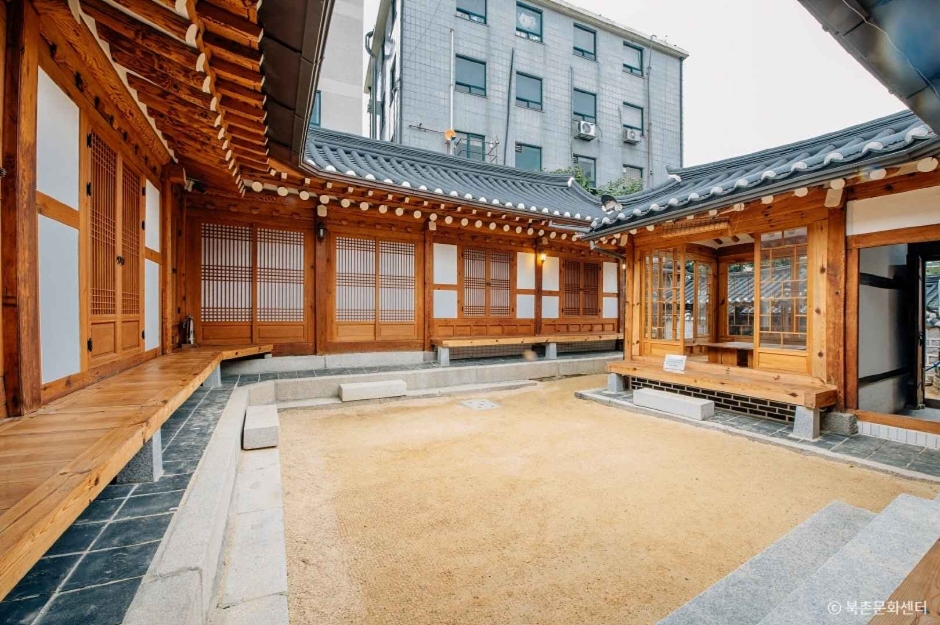
A peaceful hanok courtyard offering quiet reflection away from the city bustle.
Exploring the historic streets wearing traditional Hanbok attire.
Best Time to Visit
Bukchon is captivating throughout the year, but the travel experience varies depending on the season:
- Autumn (September to November): Arguably the most picturesque season. Crisp skies, comfortable temperatures, and vibrant golden ginkgo and red maple foliage beautifully frame the traditional roofs.
- Spring (April to June): Pleasant weather with blooming flowers and lush greenery surrounding the historical alleys.
- Winter & Summer: Winter brings atmospheric snow-dusted roofs, while summer offers lush green courtyards (be prepared for warm summer humidity).
Time of Day Tip: To avoid large tour groups and capture quiet photos, visit early in the morning right when the official 10:00 AM opening window begins. The early morning light casts a warm glow on the wooden structures and cobblestone pathways.
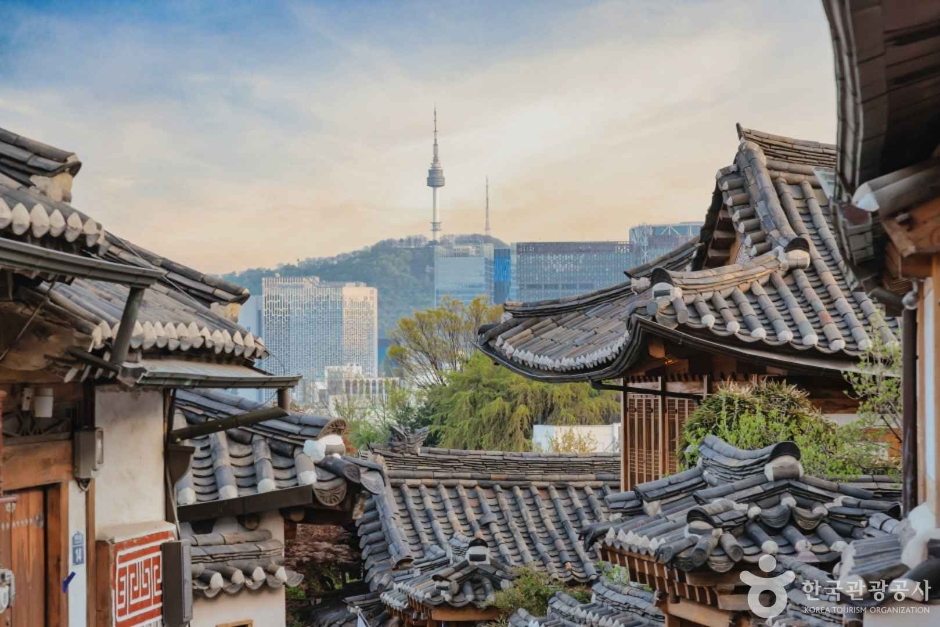
A scenic streetview showcasing the rolling hills of Jongno-gu.
Beautiful stone and wooden details crafted into traditional homes.
Visitor Information
| Address | 37 Gyedong-gil, Jongno-gu, Seoul |
|---|---|
| Visiting Hours | 10:00 - 17:00 (Applies strictly to designated residential alleys along Bukchon-ro 11-gil) |
| Closed Days | Open all year round |
| Admission Fee | Free (Individual workshops, museums, and tea houses charge separate fees) |
| Parking | Not available (Public transit is strongly recommended) |
| Inquiries | +82-2-2148-4161 |
How to Get There
Bukchon Hanok Village is easily accessible via Seoul's efficient public transportation network:
- By Subway: Take Subway Line 3 (Orange Line) to Anguk Station. Take Exit 2 or Exit 3 and walk straight northbound for approximately 5 to 10 minutes to reach the main entry streets.
- By Bus: Take town bus Jongno 01 or Jongno 02 from near Anguk Station and alight close to the Bukchon Cultural Center.
- Parking Tip: Driving is strongly discouraged. The neighborhood features narrow roads with zero dedicated visitor parking. If traveling by car, park at paid public garages near Anguk Station or Gyeongbokgung Palace.
Frequently Asked Questions
Is there an entrance fee to visit Bukchon Hanok Village?
No, walking through the neighborhood alleys is completely free. However, specific cultural centers, private museums, traditional tea houses, and craft workshops within individual hanoks may charge separate entrance or experience fees.
Can I rent a Hanbok nearby?
Yes, numerous Hanbok rental shops are conveniently located around Anguk Station and near the entrance to Bukchon. Renting and wearing traditional clothing is a popular activity for visitors looking to take photos against historic backdrops.
Why are visiting hours enforced in the neighborhood?
Bukchon Hanok Village is an actual residential community where families live. Seoul City enforces visiting hours (10:00 to 17:00 along key residential alleys like Bukchon-ro 11-gil) to protect residents' privacy and guarantee quiet hours in the early morning and evening.
How long should I spend exploring the area?
Most visitors spend between 2 to 3 hours wandering through the scenic streets, visiting a tea house, and taking photos. If you plan to stop by craft workshops or nearby royal palaces, plan for a half-day itinerary.
Whether you are seeking a peaceful tea experience in a wooden courtyard, panoramic views of Seoul, or a memorable journey through Korean history, a stroll through Bukchon Hanok Village belongs at the top of your travel list. Bring comfortable walking shoes, charge your camera, and prepare to immerse yourself in one of Korea's most beloved cultural treasures!
Nearby Attractions
Nearby Restaurants

Nearby Cultural Spots
Nearby Shopping

Nearby Accommodation
Camping Friend — Camping & Travel in Korea
Discover campsites, local attractions, and travel guides across Korea.
Built by a campsite owner to make camping and travel easier for everyone.